SAWS Drops to Stage 2: What the End of Stage 3 Surcharges Means for San Antonio Homeowners
Good news arrived for San Antonio water customers on Tuesday, August 4, 2026: the San Antonio Water System officially moved from Stage 3 to Stage 2 drought restrictions after the Edwards Aquifer climbed to 650.3 feet. For homeowners across the city — from Helotes and Leon Valley to Converse and Schertz — the most immediate change is financial. The Stage 3 surcharge of $10.37 per thousand gallons used above 20,000 gallons a month is gone. If your household was running sprinklers frequently or filling a pool in a large yard, that fee added up quickly. Starting with this billing cycle, you will no longer see that line item on your statement.
That said, it is important to be clear about what has not changed. Outdoor watering schedules are still under Stage 2 rules, which means sprinkler systems and irrigation are limited to once a week. Watering is only permitted between 5 a.m. and 10 a.m. or between 9 p.m. and midnight. Those windows apply regardless of whether you live in a newer master-planned community like Alamo Ranch or Cibolo Canyons, an established neighborhood like Olmos Park or Terrell Hills, or anywhere else within the SAWS service area. The schedule exists to reduce evaporation loss during the hottest part of the day, and in early August, that reasoning is as valid as ever.
For homeowners, the practical takeaway is straightforward. Review your irrigation controller settings and make sure your system is still programmed to run only within those permitted hours on your assigned watering day. SAWS can issue fines for violations even under Stage 2, so a quick check of your timer today is worth a few minutes of your time. If you are not sure which day your address is assigned, visit the SAWS website or call their customer service line to confirm.
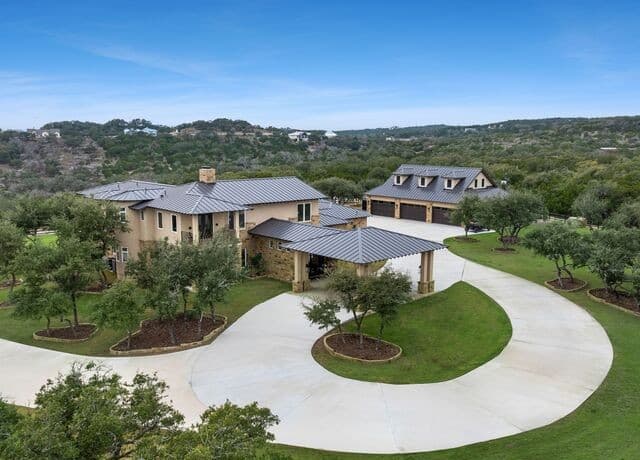
If you are thinking about buying a home in San Antonio right now, water costs and landscape maintenance are worth factoring into your overall budget. Homes with large irrigated lots, mature lawns, or elaborate landscaping in areas like Stone Oak, The Dominion, or Fair Oaks Ranch tend to carry higher water bills during a dry summer. Asking the seller for several months of utility statements before closing is a reasonable request, and a good buyer's agent will help you get that information. Understanding the watering schedule and what it costs to maintain the landscaping you are inheriting is part of making a well-informed offer.
For sellers, the move to Stage 2 is a mild positive signal heading into the fall market. Curb appeal matters, and homeowners who have been holding back on irrigation to avoid surcharge fees may now feel more comfortable keeping their front yards presentable within the permitted schedule. A healthy, well-maintained lawn in neighborhoods like Shavano Park, Timberwood Park, or the 78258 zip code can influence how quickly a home sells and at what price. Just be realistic — once-a-week watering during a San Antonio August will keep grass alive, but it takes consistent, strategic scheduling to keep it looking its best.
Renters should also take note, particularly those paying their own water bills. If you were budgeting around Stage 3 surcharge costs, you now have a bit of breathing room. If your landlord pays water and has been passing along costs through other fees or lease terms, it may be worth a conversation to ensure those adjustments are reflected going forward.
Property managers and investors with multiple units in the SAWS service area should audit irrigation systems across their portfolios. Older sprinkler systems that run inefficiently or have broken heads waste water and, under any drought stage, create unnecessary expense and potential violations. The end of Stage 3 surcharges is a good moment to schedule an irrigation inspection if you have been putting it off.
The broader picture is encouraging. The Edwards Aquifer reaching 650.3 feet to trigger a stage change is meaningful in a summer that has been hard on lawns, budgets, and water reserves. But San Antonio's relationship with drought is long and ongoing. Stage 2 is still a restricted condition, not a return to normal unrestricted watering. Conservation habits built during Stage 3 — shorter irrigation run times, drought-tolerant plantings, less water-intensive landscaping — continue to serve homeowners well regardless of what stage the aquifer supports.
Whether you are buying, selling, renting, or simply trying to keep your lawn alive through the rest of summer, staying informed about SAWS rules is part of responsible homeownership in this city. The surcharge is gone for now, but the watering window is not. Set your timer, check your schedule, and water smart.
From first-time buyers to investors, our real estate agency serves San Antonio and every community around San Antonio.