San Antonio Council Blocks Public Vote on $489M Arena Deal — What It Means for Your Home
San Antonio's City Council voted 5 to 6 against putting the city's $489 million arena contribution to a public vote this November. Mayor Jones had pushed to let residents weigh in directly on the funding commitment, but the council majority decided otherwise. City Manager Erik Walsh has said he hopes to finalize a deal with the Spurs by the end of 2026, meaning this project could be locked in before the year is out.
For most people, a vote on an arena sounds like sports news. But if you own a home, are shopping for one, rent an apartment, or are thinking about selling, this decision has real implications for your wallet and your neighborhood.
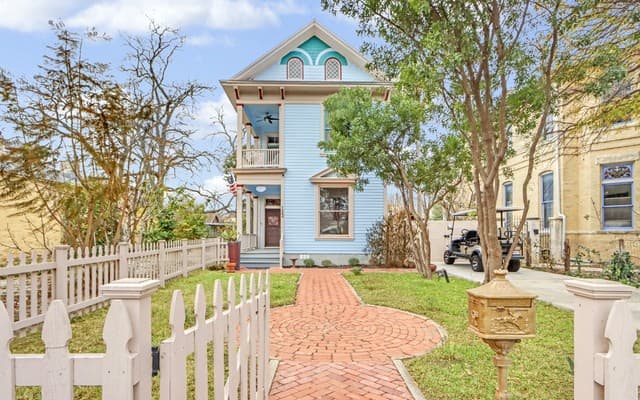
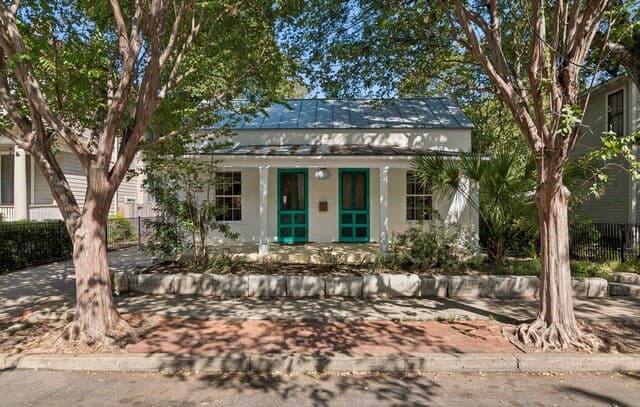
Let's start with the big picture. A nearly half-billion-dollar public commitment to a downtown arena is one of the largest infrastructure bets San Antonio has made in recent memory. Projects of this scale reshape the areas around them over the years that follow. Downtown San Antonio and the surrounding inner-city neighborhoods — think Southtown, King William, Lavaca, and the near East Side — have already seen sustained demand from buyers and renters who want walkable urban living. A new arena anchored near the city center would likely extend that momentum further, drawing businesses, restaurants, and residents who want proximity to entertainment.
For homeowners in those neighborhoods, that kind of long-term demand generally supports property values. If you own a home or a rental property within a few miles of downtown, this project is worth watching closely as details emerge over the rest of 2026.
Buyers who are currently house-hunting in the 78204, 78205, 78210, or 78212 ZIP codes — which cover Southtown, King William, Midtown, and Monte Vista — should factor urban development momentum into their thinking. These areas have already attracted significant attention, and a confirmed arena deal could increase competition for homes there. If you are on the fence about buying in an inner-loop neighborhood, waiting for more certainty may cost you in a competitive market.
For sellers in those same areas, the timing is worth noting. With a potential deal expected before the end of the year, buyer interest in centrally located properties may tick upward as the project gains momentum. Listing in a window when buyer enthusiasm is high is always worth discussing with your agent.
Renters face a different set of considerations. Large development projects in urban cores have historically put upward pressure on rents in surrounding neighborhoods as demand increases. If you rent in Southtown, the near East Side, or close to downtown and you have been considering buying, now is a reasonable time to run the numbers. Buying before an area heats up further can make a meaningful difference in your long-term housing costs.
The council's decision to block a public vote also matters in a less obvious way. When residents have a direct say on major spending commitments, the outcome can slow or even halt a project if voters reject it. By keeping this off the November ballot, the council has effectively removed that uncertainty from the timeline. For the real estate market, less uncertainty is generally stabilizing. Developers, lenders, and buyers tend to act more confidently when they know a project is moving forward rather than waiting on an election result.
That said, a $489 million city contribution is a significant line item, and how it is financed matters for property owners. If future city budgets feel the pressure of this commitment, services and infrastructure spending elsewhere in San Antonio could be affected. Homeowners in areas like the North Side, Alamo Heights Independent School District, Northside ISD, and San Antonio ISD all rely on city services and ongoing infrastructure investment. It will be worth watching how the final financing structure is structured and what it means for the broader city budget.
Families who prioritize school districts when choosing a home should also pay attention to how this development reshapes enrollment patterns over time. Urban investment can attract younger families to neighborhoods that feed into San Antonio ISD, which could gradually shift the conversation around those schools.
The bottom line is this: the arena debate is not just a sports story. It is a story about where San Antonio is investing, which neighborhoods are likely to grow, and what that means for the value of your home. Whether you are buying, selling, renting, or simply trying to protect the investment you already have, staying informed as City Manager Walsh works toward a final deal before year-end is simply smart homeownership.
If you have questions about how development trends in San Antonio affect your specific neighborhood or your plans to buy or sell, our team is always here to help you think it through.
Get experienced help in San Antonio from a licensed real estate agent in San Antonio at 5 Star Real Estate.