New Braunfels Is Growing Fast — and That Growth Is Reshaping the Decision for San Antonio Buyers
New Braunfels has been one of the fastest-growing cities in Texas for years, and the numbers back it up. Between 2019 and 2022, the city grew by 18.7 percent, adding roughly 20,000 residents in just three years. That kind of growth doesn't slow down quietly. It shows up in traffic on FM 306 and Interstate 35, in water utility planning meetings, and in the sheer number of construction cranes visible from the highway. If you're a buyer weighing New Braunfels against San Antonio's North Side or the suburbs along US 281, understanding what's driving that growth — and what it's straining — matters more than you might think.
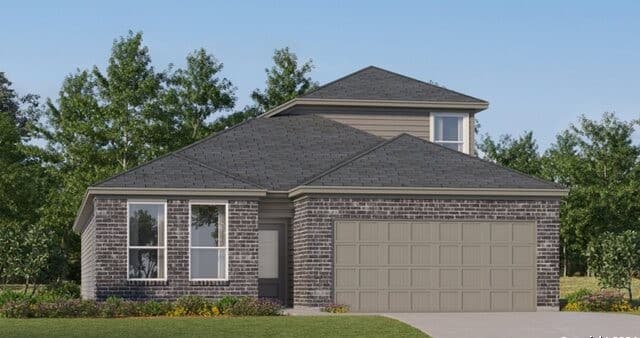
The development pipeline in New Braunfels is substantial. Veramendi, one of the city's most prominent master-planned communities, already has around 800 completed homes with another 400 under construction and 550 new lots planned. Mayfair, a 1,900-acre development that broke ground in 2022, is still in its early phases. And the proposed Purlsong development would add another 2,000 homes on 800 acres if it moves forward. Taken together, these projects represent tens of thousands of future residents arriving in a city that is already working hard to keep its infrastructure from falling behind.
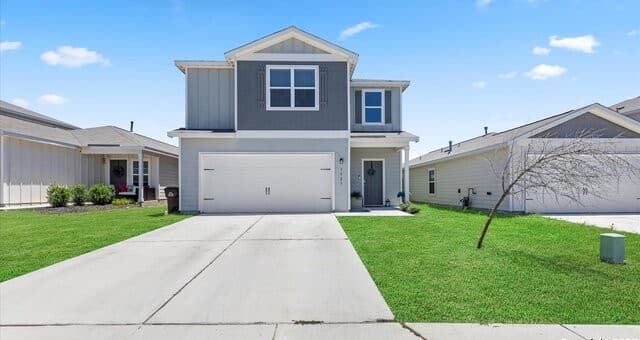
For buyers, that growth picture is a double-edged thing. On one side, new construction means newer homes, modern floor plans, energy-efficient building standards, and in many cases, builder incentives that can make ownership more accessible. Communities like Veramendi have been designed with amenities in mind — trails, pools, community spaces — that appeal to families relocating from San Antonio's more established neighborhoods. New Braunfels also sits in the Comal Independent School District, which consistently earns strong marks and draws families who are prioritizing schools in their search.
On the other side, rapid growth puts real pressure on the things that make a community livable. Roads are the most visible problem. Comal County and the Texas Department of Transportation have been working on corridor improvements, but construction timelines rarely keep pace with rooftop counts. If you buy in a development that adds hundreds of homes over the next two to three years, your commute into San Antonio — whether you're heading to the Medical Center, downtown, or the Stone Oak area along US 281 — may look very different in 2027 than it does on the day you close.
Water is a quieter but equally serious concern. The Texas Hill Country sits over the Edwards Aquifer, a resource that supplies San Antonio through the San Antonio Water System and serves Comal County communities as well. Rapid development increases demand on a water supply that drought conditions can stress significantly. Buyers purchasing in large master-planned communities should ask specific questions about water sourcing, utility providers, and how infrastructure costs may be passed along through municipal utility district taxes or homeowner association fees. MUD taxes in particular can add meaningfully to the monthly cost of ownership and sometimes catch buyers off guard after closing.
So what does all of this mean if you're based in San Antonio and considering a move northeast along the I-35 corridor? A few things worth keeping in mind.
First, if your job or your life anchors you to San Antonio, the commute calculation deserves honest attention. The distance from New Braunfels to downtown San Antonio is roughly 30 miles, but the drive on I-35 during peak hours is not a 30-minute trip. Growth on both ends of that corridor continues to add vehicles to a road that is perpetually under some stage of construction or widening.
Second, the new construction advantage is real, but it comes with a timing risk. Buying in an early phase of a large development means living through years of construction activity around you. Dust, noise, and incomplete amenities are part of the early-buyer experience. Buyers who prefer a more settled environment might consider communities that are further along or look at established neighborhoods in Schertz, Cibolo, or the Northeast San Antonio ZIP codes like 78154 or 78108, where growth has been significant but infrastructure is more mature.
Third, resale value in fast-growing areas can be strong, but competition from new construction is a real factor. When builders are actively selling just down the street, resale homes sometimes have to work harder to attract buyers. This matters if you're thinking about the home not just as a place to live but as a financial asset you may want to sell within five to ten years.
New Braunfels has a lot going for it — a vibrant downtown, the Guadalupe River, Comal ISD, and genuine community character that larger cities can lose as they grow. But growth at this pace tests a city's ability to plan thoughtfully. If you're buying there, go in with clear eyes, ask hard questions about infrastructure and carrying costs, and give honest thought to how the area's future growth aligns with how you actually want to live.
From first-time buyers to investors, our real estate agency serves San Antonio and every community around San Antonio.